Choosing Plants for a North-Facing Garden
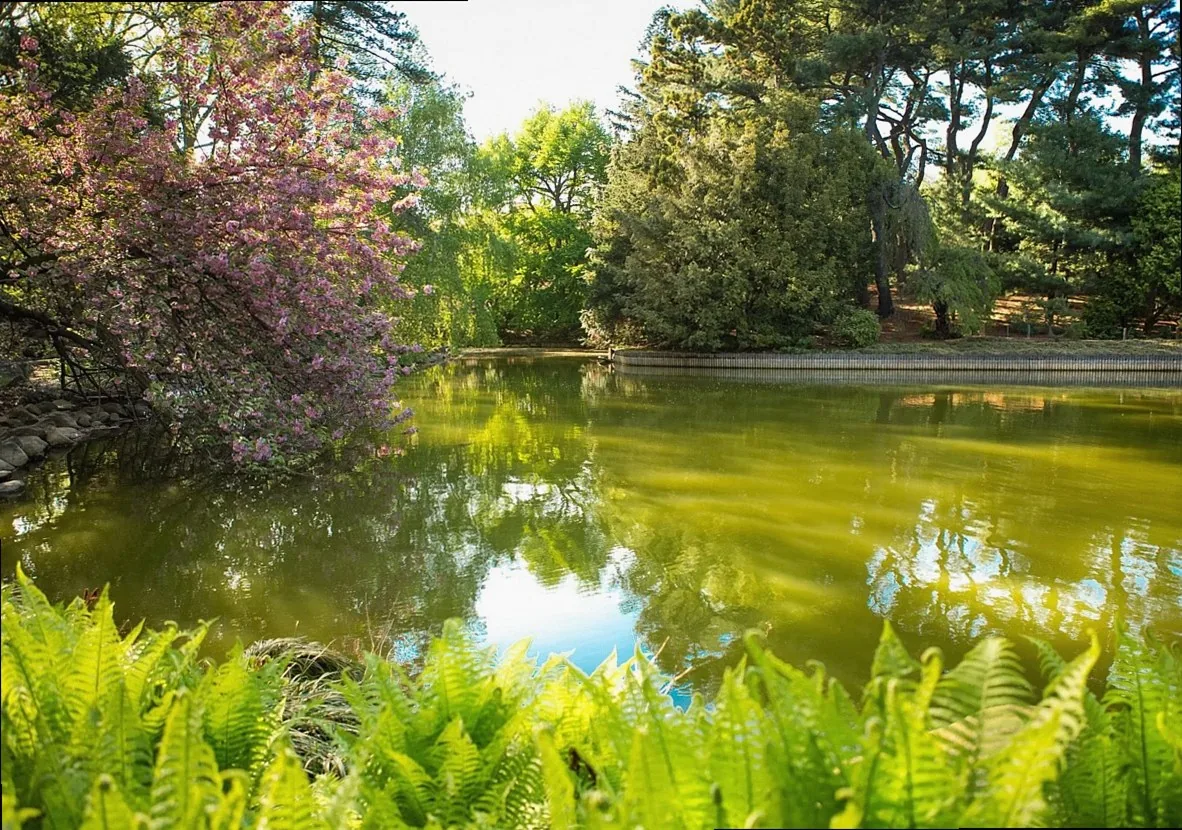
A north-facing garden is not a difficult garden. It is a specific garden, and the difference matters. Most of the plants that struggle in shade do so because they were chosen for a sunnier spot and planted in the wrong place. Choose for the conditions you have, and a north-facing garden can be one of the most interesting spaces to plant.
Understanding what 'north-facing' actually means
In the UK, a north-facing garden receives little or no direct sun for most of the year. In summer, the sun is high enough that the garden may get a couple of hours of direct light in the morning or evening, depending on what's blocking it. In winter, it may get none at all. The ground stays cooler and moister than a south-facing equivalent, and the air temperature near the house wall can be several degrees lower on a clear night.
This isn't a problem for several plants. It is a problem only if you want to grow lavender, rosemary, most Mediterranean herbs, or anything that needs six or more hours of direct sun to flower well.
Plants that genuinely work in shade
The most reliable performers in a north-facing Yorkshire garden are the woodland-edge species: ferns (particularly Dryopteris filix-mas and Polystichum setiferum), Geranium phaeum, Alchemilla mollis, Astrantia major and Digitalis purpurea. These are plants that evolved under a canopy and don't need direct sun to thrive.
For shrubs, Hydrangea anomala subsp. Petiolaris is the climbing hydrangea that will cover a north-facing wall and flower reliably every June. Mahonia x media 'Charity' gives winter structure and scent. Sarcococca confusa. Christmas box. Is small, evergreen and smells extraordinary in January when almost nothing else is happening.
- Dryopteris filix-mas (male fern). Reliable, architectural, fully hardy
- Polystichum setiferum (soft shield fern). Semi-evergreen, good winter presence
- Geranium phaeum. Flowers in May-June, self-seeds gently
- Astrantia major. Long flowering season, tolerates dry shade once established
- Hydrangea anomala subsp. Petiolaris. Slow to establish, then vigorous
- Sarcococca confusa. Evergreen, scented January flowers
What to avoid
The plants that consistently disappoint in north-facing gardens are those that need warmth to ripen their wood or set flower buds. Lavender, rosemary, Cistus, most roses (with the exception of some of the tougher shrub roses), and any fruit that needs a warm wall. Peaches, apricots, figs. Will either fail to flower or produce very little in a shaded spot.
It's also worth being cautious about variegated plants in deep shade. Many variegated cultivars revert to plain green in low light, which defeats the purpose of choosing them.
If you're working with a north-facing garden in North Yorkshire and want a planting plan built around what will actually grow there, Laura at North Oasis Works is happy to talk it through. A site visit is the most useful starting point.