Late-Summer Garden Tasks Worth Doing in August
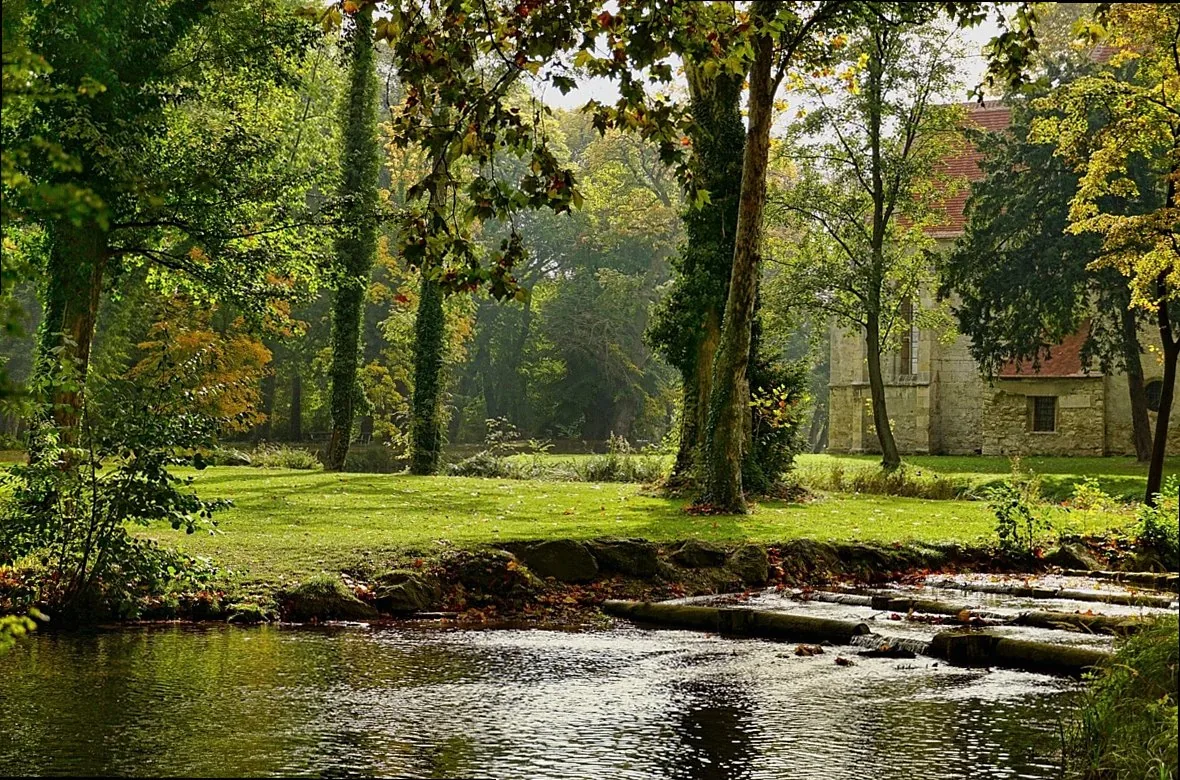
August is the month when a lot of gardens start to look a bit tired. The first flush of summer flowering is over, the lawn is often dry and patchy, and the borders have that slightly overgrown, end-of-term feeling. It's also one of the most useful months to do work that will pay off through autumn and into the following spring.
The lawn in August
If the summer has been dry, the lawn may have gone brown and dormant. This is normal. Grass is remarkably resilient and will green up again with the first significant rainfall. The temptation is to water heavily, but unless the lawn is newly laid turf (which does need watering in its first summer), it's usually better to let it rest.
What August is good for is scarifying and overseeding any thin or bare patches. The soil is still warm, which helps germination, and there's usually enough rainfall in September to get new seed established without irrigation. Rake out any thatch, scratch the surface lightly with a fork, scatter seed at the recommended rate and keep off it for four weeks.
Cutting back and deadheading
Perennials that have finished flowering. Geraniums, salvias, early-flowering astrantias. Can be cut back by about a third in August. This often triggers a second flush of growth and sometimes a second flowering before the frosts arrive. Don't cut back too hard; the plant needs some leaf area to keep photosynthesising.
Deadheading is worth keeping up through August, particularly on roses and repeat-flowering perennials. It redirects the plant's energy from seed production back into flowering. The exception is plants you want to self-seed. Digitalis, Verbena bonariensis, Alchemilla. Where leaving the seed heads to ripen and drop is part of the planting strategy.
Planting for autumn colour and winter structure
August is a good time to plant hardy perennials and shrubs that will establish through the autumn and be ready to perform the following spring. The soil is warm, the plants have time to put down roots before the ground cools, and the autumn rainfall does most of the watering for you.
For autumn colour, Aster amellus, Rudbeckia fulgida and Persicaria amplexicaulis are reliable in North Yorkshire conditions. For winter structure, ornamental grasses. Calamagrostis x acutiflora 'Karl Foerster' in particular. Hold their form through frost and look good with low winter light behind them.
August is a good month to get a clearance or planting visit booked before the autumn rush. If your garden needs attention before the season turns, get in touch with North Oasis Works and we'll arrange a site visit.